Fuel Your Active Body
Essential Nutrients for Peak Performance and Sustained Energy Throughout Your Day
Understand how proper nutrient timing, macro balance, and micronutrient density work together to optimize your athletic performance, recovery, and overall wellness.
The information on this site is for educational purposes only and does not constitute medical advice. Always consult a qualified healthcare professional before making health decisions.
Core Nutrients Active Lifestyle Demands
Athletes and active individuals require a comprehensive approach to nutrition that goes beyond basic daily needs.
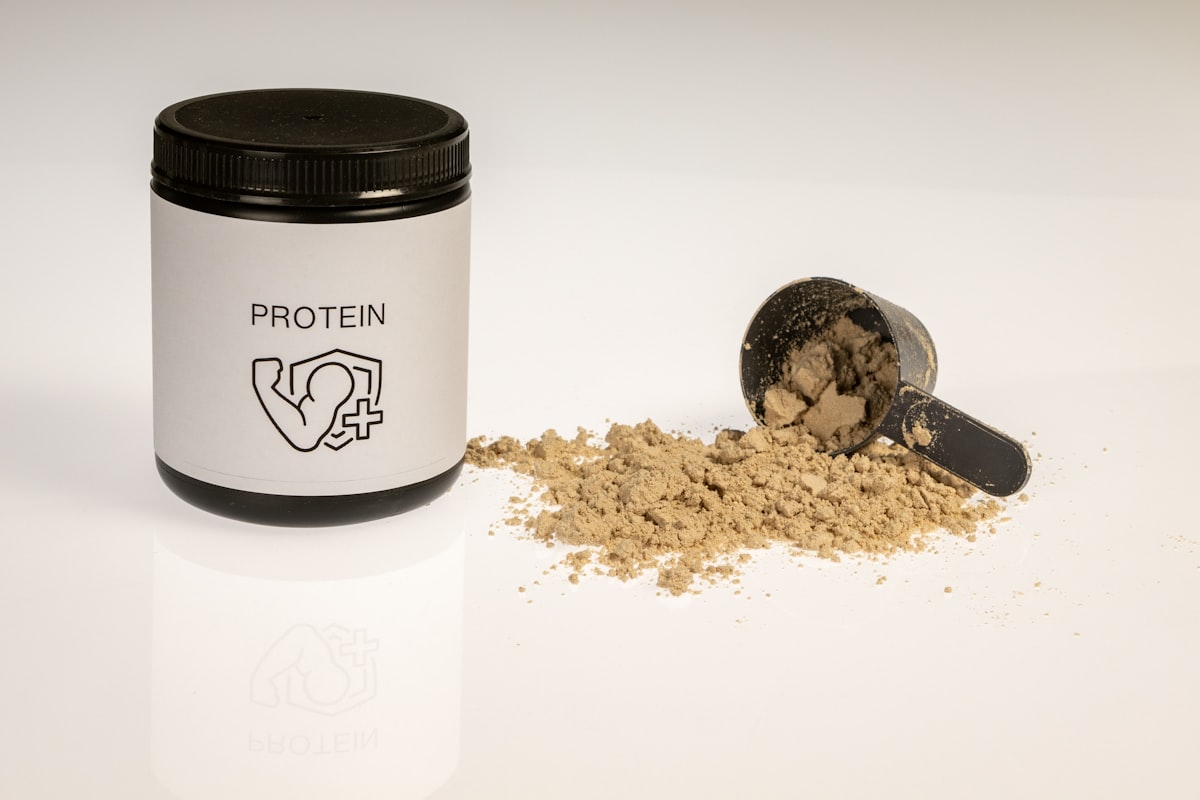
Complete Protein
Supports muscle repair and synthesis after intense training. Active individuals need 1.6–2.2 grams per kilogram of body weight daily. Amino acids are the building blocks your muscles rebuild with every workout.
- Lean meats and fish
- Eggs and dairy
- Legumes and nuts
Smart Carbohydrates
Primary fuel source for high-intensity exercise and sustained energy. Timing matters—carbs before and after workouts optimize performance and recovery. Complex carbs provide steady energy without blood sugar spikes.
- Whole grains
- Oats and sweet potatoes
- Fruits and vegetables
Essential Fats
Critical for hormone production, joint health, and anti-inflammatory response. Omega-3 and omega-6 fatty acids support cardiovascular function and cognitive performance during training.
- Fatty fish and salmon
- Nuts, seeds, and avocado
- Olive and coconut oil
Vitamins & Minerals
Support energy metabolism, immune function, and bone strength. Iron, magnesium, calcium, and B vitamins are especially important for active individuals who lose electrolytes through sweat.
- Dark leafy greens
- Citrus fruits and berries
- Fortified grains
Proper Hydration
Maintains physical performance, temperature regulation, and mental clarity. Even 2% dehydration can reduce strength and endurance. Individual needs vary based on activity intensity and climate.
- Water (primary source)
- Electrolyte-balanced drinks
- Water-rich foods
Nutrient Timing
When you eat matters as much as what you eat. Post-exercise nutrition within 30–60 minutes optimizes recovery. Pre-workout meals (2–3 hours before) provide sustained energy.
- Pre-workout window
- Recovery phase nutrition
- Daily meal distribution
Why Nutrient Timing Matters for Athletes
Nutrient timing is the strategic coordination of food intake around your training sessions. Research shows that consuming the right nutrients at the right time can significantly improve performance, recovery, and long-term gains.
Enhanced Muscle Protein Synthesis
Post-workout protein intake (20–40 grams within 1–2 hours) maximizes muscle repair and growth. Combining protein with carbohydrates amplifies this response.
Sustained Energy & Endurance
Pre-workout carbohydrates 2–3 hours before exercise fuel prolonged activity. Proper glycogen loading prevents fatigue and maintains performance intensity.
Reduced Muscle Soreness & Faster Recovery
Anti-inflammatory nutrients (omega-3s, antioxidants) and proper protein intake accelerate recovery and reduce delayed-onset muscle soreness (DOMS).
Improved Body Composition
Strategic timing prevents muscle breakdown, preserves lean mass, and supports fat loss goals when combined with consistent training.
Finding Your Perfect Macro & Micro Balance
Individual nutrition needs vary based on activity level, goals, age, and body composition. Understanding the fundamentals helps you customize your approach.
Macronutrient Distribution
A common starting point for active individuals is the macronutrient ratio below. Adjust based on your sport, intensity, and individual response.
Supports muscle repair and recovery after training sessions.
Provides primary energy for high-intensity exercise and glycogen replenishment.
Essential for hormone balance, brain health, and nutrient absorption.
Note: These percentages are general guidelines. Endurance athletes may benefit from higher carbs; strength athletes may require higher protein.
Critical Micronutrients for Athletes
These vitamins and minerals are often depleted through intense training and sweat loss.
Iron
Oxygen transport; critical for endurance athletes. Sources: red meat, spinach, lentils.
Calcium & Magnesium
Bone strength and muscle function. Sources: dairy, leafy greens, nuts, seeds.
Sodium & Potassium
Electrolyte balance for hydration and muscle contractions. Sources: sea salt, banana, coconut water.
Vitamin D
Bone health, immune function, mood regulation. Sources: sunlight, fatty fish, fortified milk.
B Vitamins
Energy metabolism and nervous system function. Sources: whole grains, eggs, chicken.
Antioxidants (C, E, Selenium)
Reduce exercise-induced inflammation. Sources: berries, citrus, nuts, seeds.
Building Your Personalized Nutrition Plan
Follow these steps to optimize your nutrient intake for your specific activity and goals.
Assess Your Activity Level
Determine whether you're sedentary, lightly active (1–3 days/week), moderately active (3–5 days/week), very active (6–7 days/week), or training for competition.
- Document typical weekly workouts
- Note exercise intensity and duration
- Track how you feel after training
Calculate Daily Calorie Needs
Start with your basal metabolic rate (BMR) and multiply by your activity factor. A basic formula: BMR × 1.5–1.9 for active individuals.
- Use Harris-Benedict or Mifflin-St Jeor equations
- Adjust based on body composition goals
- Monitor energy levels and adjust ±200 calories
Distribute Macronutrients
Apply the macro percentages to your daily calorie target. Aim for 1.6–2.2g protein/kg body weight; adjust carbs and fats based on your sport type.
- Calculate grams: calories × % ÷ calories per gram
- Prioritize whole, unprocessed sources
- Plan meals around training sessions
Monitor & Adjust
Track your performance, recovery, and body composition changes over 4–8 weeks. Make adjustments based on real-world results, not theory alone.
- Keep a food and training journal
- Measure performance metrics (strength, endurance)
- Refine weekly as needed
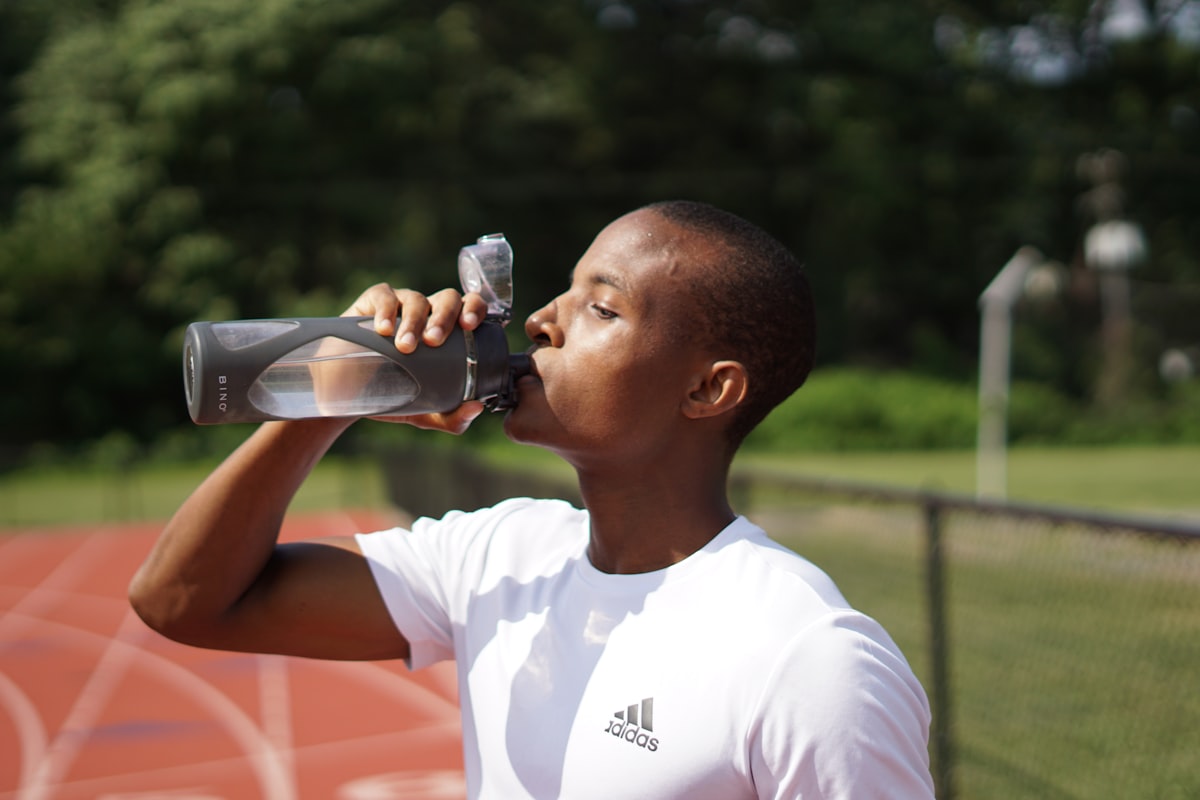
Hydration: The Foundation of Performance
Water is not a nutrient that can be skipped. Proper hydration affects every system in your body—from energy production to muscle contraction to mental focus.
Daily Baseline Hydration
A general starting point: 0.5 ounces per pound of body weight. For a 180-pound person, that's 90 ounces (roughly 11 cups) of water daily. Active individuals may need significantly more.
Pre-Exercise Hydration
Drink 16–20 ounces (500–600 ml) of water 2–3 hours before exercise. Add another 8 ounces 20 minutes before to top off your hydration levels.
During Exercise Hydration
For exercises lasting over 1 hour, consume 6–8 ounces (180–240 ml) every 15–20 minutes. Include carbohydrates (4–8% solution) and electrolytes for endurance activities.
Post-Exercise Rehydration
Drink 16–24 ounces for every pound of body weight lost during exercise. Include sodium and potassium to aid retention and speed recovery.
Pro Tip: Urine color is your best hydration indicator. Pale yellow indicates good hydration; dark yellow suggests dehydration.
Pre-Workout & Post-Workout Nutrition Strategies
Timing your meals and snacks around training is one of the most impactful leverage points in your nutrition plan.
Pre-Workout Nutrition
Fuel your body 1-2 hours before exercise with easily digestible carbs and moderate protein to optimize performance and endurance.
- Carbs: 30-40g of oats, rice, or fruit for sustained energy
- Protein: 15-20g to reduce muscle breakdown during exercise
- Hydration: 500ml water 2 hours before, then small sips during
- Avoid: High fat and fiber content that slows digestion
Post-Workout Nutrition
Consume protein and carbs within 30-60 minutes post-workout to kickstart muscle recovery and replenish glycogen stores.
- Protein: 25-35g whey, chicken, or Greek yogurt for muscle repair
- Carbs: 40-50g banana, bread, or rice to restore energy
- Electrolytes: Sodium and potassium to aid hydration recovery
- Full meal: Eat a balanced meal 2-3 hours post-workout for continued recovery
Real Results from Our Community
See how Proteinmealpro has transformed nutrition and fitness journeys.
Sarah Mitchell
Fitness Coach
"Proteinmealpro's meal plans transformed how I approach nutrition. My clients see results in weeks, not months. The macro breakdowns are spot-on and easy to follow."
Marcus Johnson
Bodybuilder
"I gained 8 lbs of lean muscle in 3 months using their protein meal plans. The variety keeps meals interesting, and I never feel deprived. Highly recommend!"
Emma Rodriguez
Endurance Athlete
"Recovery improved dramatically after implementing pre and post-workout nutrition from Proteinmealpro. My endurance is up 25% and energy levels are stable all day."
Frequently Asked Questions
Get answers to common nutrition and fitness questions.
How much protein do I need daily?
The recommended daily protein intake is 0.8g per pound of body weight for muscle building, or 1.6-2.2g per kilogram. For weight loss, increase intake to preserve lean muscle mass. Proteinmealpro meal plans automatically calculate your personalized requirements.
Can I use protein shakes as meal replacements?
Protein shakes are excellent for quick nutrition post-workout or as snacks, but shouldn't replace whole meals regularly. Whole foods provide fiber, micronutrients, and satiety that shakes can't match. Use them strategically to supplement your nutrition plan, not substitute it.
How do I track macros without obsessing?
Start with Proteinmealpro's meal templates and pre-planned meals. Use a simple app like MyFitnessPal to log your first week, then transition to portion control using your hand or simple scales. Once you develop intuition, strict tracking becomes unnecessary. The goal is sustainable habit, not perfectionism.
What's the best time to eat carbs?
Carbs are most beneficial around workouts: 1-2 hours pre-workout for energy and 30-60 minutes post-workout for recovery. You can eat carbs throughout the day, but prioritizing them around training maximizes performance and muscle growth. Proteinmealpro plans optimize carb timing automatically.
Do I need to eat 6 meals per day?
No. Total daily calories and macros matter far more than meal frequency. Some people thrive on 3 meals, others prefer 5-6 smaller meals. The key is finding what keeps you satisfied, energized, and consistent with your plan. Proteinmealpro supports flexible meal frequencies to match your lifestyle.
Ready to Transform Your Nutrition?
Join thousands of athletes and fitness enthusiasts who've revolutionized their results with Proteinmealpro's science-backed meal plans and strategies.
No credit card required • Instant access to meal templates • Expert guidance included